
Starting a car recovery business can be exciting, but it also requires careful planning and execution to succeed. A well-crafted business plan can give you a clear roadmap to follow and help you stay on track. In this post, we’ll explore the importance of having a solid business plan for your car recovery business. We’ll dive into the key elements that should be included and how they can impact your success. Additionally, we’ll provide insights on choosing the right equipment for your tow truck and how to maintain it properly. We’ll also discuss the importance of motor trade insurance and driver safety rules in car recovery operations. Lastly, we’ll share some tips on how to effectively promote and grow your car recovery business, including building partnerships in the industry. And if you’re looking for reliable car recovery services in Ireland, we’ll tell you why ASAPTow.ie is the best choice for all your needs.
The Importance of a Business Plan in Car Recovery Business
Having a well-crafted business plan is essential for the success of your car recovery business. It enables you to outline your goals, strategies, and financial projections while providing a roadmap for growth. Additionally, a business plan serves as a reference point for decision-making and helps attract investors, lenders, and insurance companies. It allows you to identify potential challenges and plan for contingencies. By having a comprehensive business plan in place, you can effectively navigate the complexities of the car recovery industry and set your business up for long-term success.
Key Elements to Consider in Your Business Plan
To ensure a successful car recovery business, there are key elements that need to be considered in your business plan. Start by conducting a comprehensive market analysis to understand the car recovery industry and identify potential opportunities. Clearly define your business objectives, mission, and target customer segment to guide your operations. Develop a detailed plan for day-to-day operations, including service offerings and pricing structure. Outline effective marketing and sales strategies to attract and retain customers. Lastly, include a realistic financial plan that encompasses start-up costs, revenue projections, and cash flow management.
Choosing the Right Equipment for Your Car Recovery Business
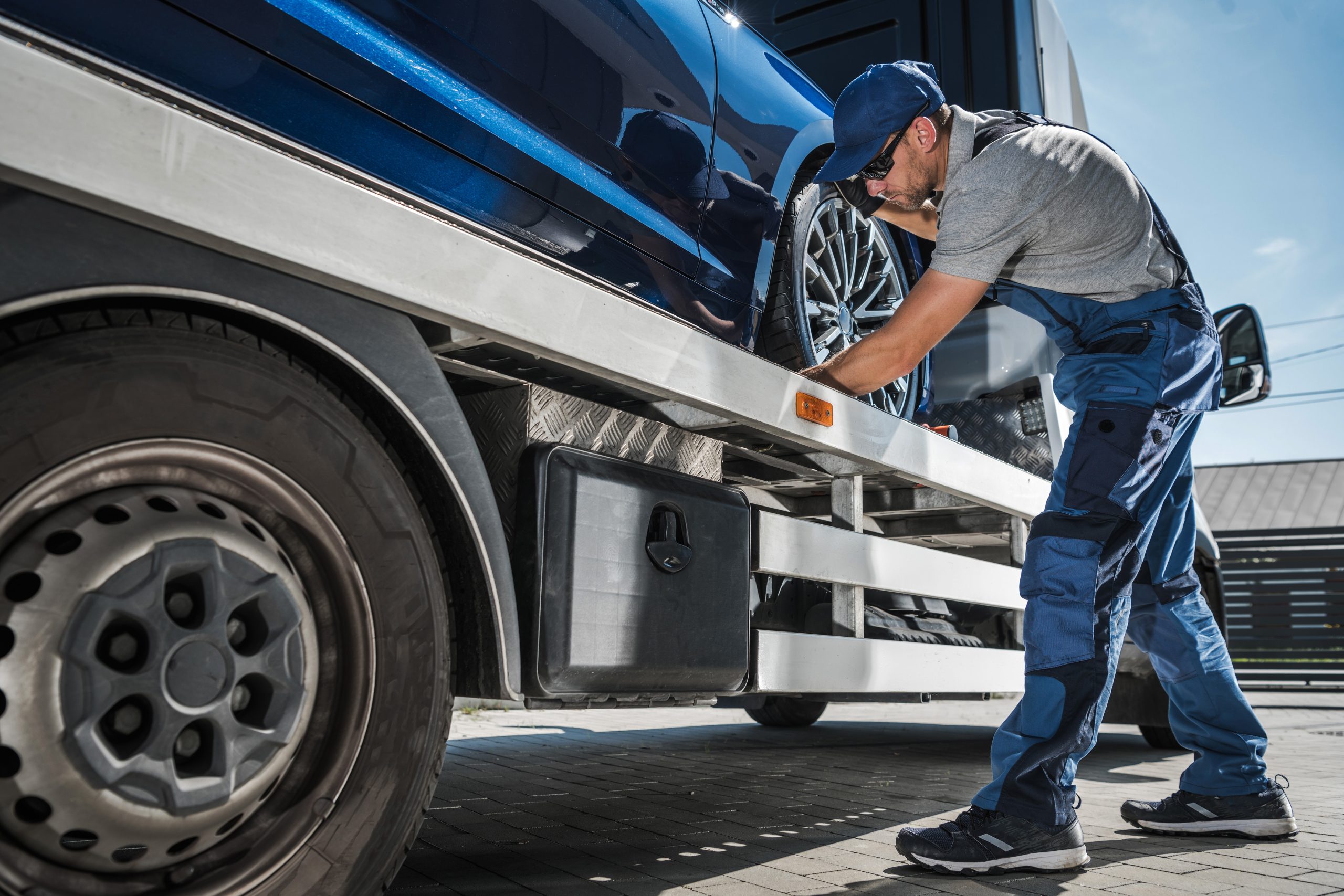
When selecting equipment for your car recovery business, it is essential to consider the specific needs of your operations. Look for towing vehicles and equipment that offer the right towing capacity, versatility, and durability. High-quality towing accessories like winches, tow straps, and wheel-lift systems are also crucial investments. Depending on your requirements, you may need specialized equipment such as flatbed tow trucks or motorbike recovery kits. Remember to regularly maintain and service your equipment for optimal performance and safety.
Essential Equipment for Car Recovery
When it comes to running a car recovery business, having the right equipment is essential. This includes a tow truck with the appropriate towing capacity and towing accessories. Safety equipment such as floodlights, cones, warning signs, and reflective vests are also necessary. Wheel dollies and recovery straps are important for vehicle immobilization and transportation. Additionally, jump start equipment, battery chargers, and air compressors are crucial for providing roadside assistance. Lastly, tools like lockout kits, slim jims, and inflatable wedges are necessary for vehicle entry.
How to Maintain Your Tow Truck and Equipment
Regularly inspect your tow truck and equipment for wear, damage, or malfunction. Follow the manufacturer’s maintenance schedule: change oils, replace filters, and rotate tires. Prevent rust, corrosion, and debris buildup by cleaning regularly. Train your staff on proper towing techniques and equipment operation to minimize accidents or damage. Maintain detailed records of maintenance, repairs, and service history for insurance purposes.
Understanding Motor Trade Insurance in Car Recovery Business
Motor trade insurance provides protection for car recovery businesses, covering risks associated with vehicle recovery, towing, and roadside assistance. It includes different insurance types like public liability, motor insurance, and employer’s liability, each offering coverage for specific aspects of the business. When choosing an insurance policy, evaluate coverage, premiums, and policy terms from various providers. To find the most suitable policy, work with an insurance broker. Regularly review and update your insurance policy to meet your evolving business needs.
Insurance Types and Their Importance
Understanding the various insurance types is crucial for your car recovery business. Public liability insurance covers any third-party injuries, property damage, or legal claims that may arise from your business activities. Motor insurance provides coverage for your tow truck, recovery vehicle, and other company vehicles, safeguarding against accidents, theft, or damage. Employer’s liability insurance is essential if you have employees, protecting you from work-related injuries, illnesses, or compensation claims. Goods in transit insurance ensures financial coverage for the vehicles being towed in case of damage, theft, or loss. Breakdown recovery insurance guarantees quick roadside assistance and repair in case of breakdowns.
Driver and Vehicle Safety Rules in Car Recovery Business
Adhering to traffic laws, regulations, and towing guidelines is crucial in car recovery operations. All drivers should possess the necessary licenses, certifications, and training for safe towing and recovery. Regular vehicle safety inspections, maintenance, and service schedules must be implemented to prevent breakdowns and accidents. Equipping drivers with personal protective equipment (PPE) like high-visibility vests, gloves, and safety boots ensures their safety. Safety protocols such as the use of cones, warning signs, and floodlights are vital to protect the recovery team, vehicles, and the general public.
Ensuring Safety in Car Recovery Operations
In order to ensure safety in car recovery operations, it is crucial to conduct a comprehensive risk assessment to identify potential hazards and implement preventive measures. Developing and enforcing standard operating procedures that emphasize the importance of safe practices is also essential. Training your staff on vehicle recovery techniques and the safe use of towing equipment will further enhance safety. Regularly reviewing and updating safety protocols based on feedback, incidents, and industry best practices is important. Lastly, fostering a safety-conscious culture that encourages reporting of near-misses and incidents will continuously improve safety measures.
Promoting Your Car Recovery Business
Developing a strong online presence is crucial for promoting your car recovery business. Utilize search engine optimization (SEO) techniques to improve your visibility in online searches. Engage with the local community, business organizations, and car insurance companies to build partnerships and generate referrals. Providing exceptional customer service will ensure customer satisfaction, positive reviews, and loyalty. Implement targeted marketing strategies like email campaigns or sponsoring local events to reach your target audience.
Effective Advertising Channels for Your Business
When it comes to promoting your car recovery business, there are several effective advertising channels you can utilize. Online platforms like social media and search engine ads allow you to reach a wide audience and increase brand visibility. Collaborating with influencers in the industry can also help you expand your reach to their followers. Local newspapers and radio stations can target specific geographical areas, while direct mail campaigns can bring your message directly to potential customers. Outdoor advertising, such as billboards, can create brand awareness in high-traffic areas.
Building Partnerships in the Car Recovery Industry
Partnering with insurance companies can result in a consistent flow of business referrals, while collaborating with roadside assistance companies allows for the expansion of service offerings. Building relationships with motorbike recovery services helps tap into a niche market, and forming alliances with other car recovery companies enables the handling of larger operations. Additionally, connecting with towing companies in different regions offers a greater coverage area. These partnerships enhance the overall capabilities and reach of a car recovery business.
Why Choose ASAPTow.ie for Your Car Recovery Needs?
Looking for a reliable car recovery service? Choose ASAPTow.ie! With licensed and insured operations, their priority is the safety of your vehicle. They offer 24/7 customer service, a fleet of reliable tow trucks, and years of industry experience. Plus, their competitive pricing and transparent billing ensure customer satisfaction.
Conclusion
To conclude, having a well-thought-out and comprehensive business plan is crucial for the success of your car recovery business. It provides a roadmap for your operations, helps you identify key elements to consider, choose the right equipment, understand insurance requirements, and ensure driver and vehicle safety. Additionally, promoting your business through effective advertising channels and building partnerships in the industry can help you reach a wider audience and establish a strong presence. If you are looking for a reliable and trustworthy car recovery service, ASAPTow.ie is your go-to choice. With their expertise and professional approach, they ensure prompt and efficient car recovery services tailored to your needs.