
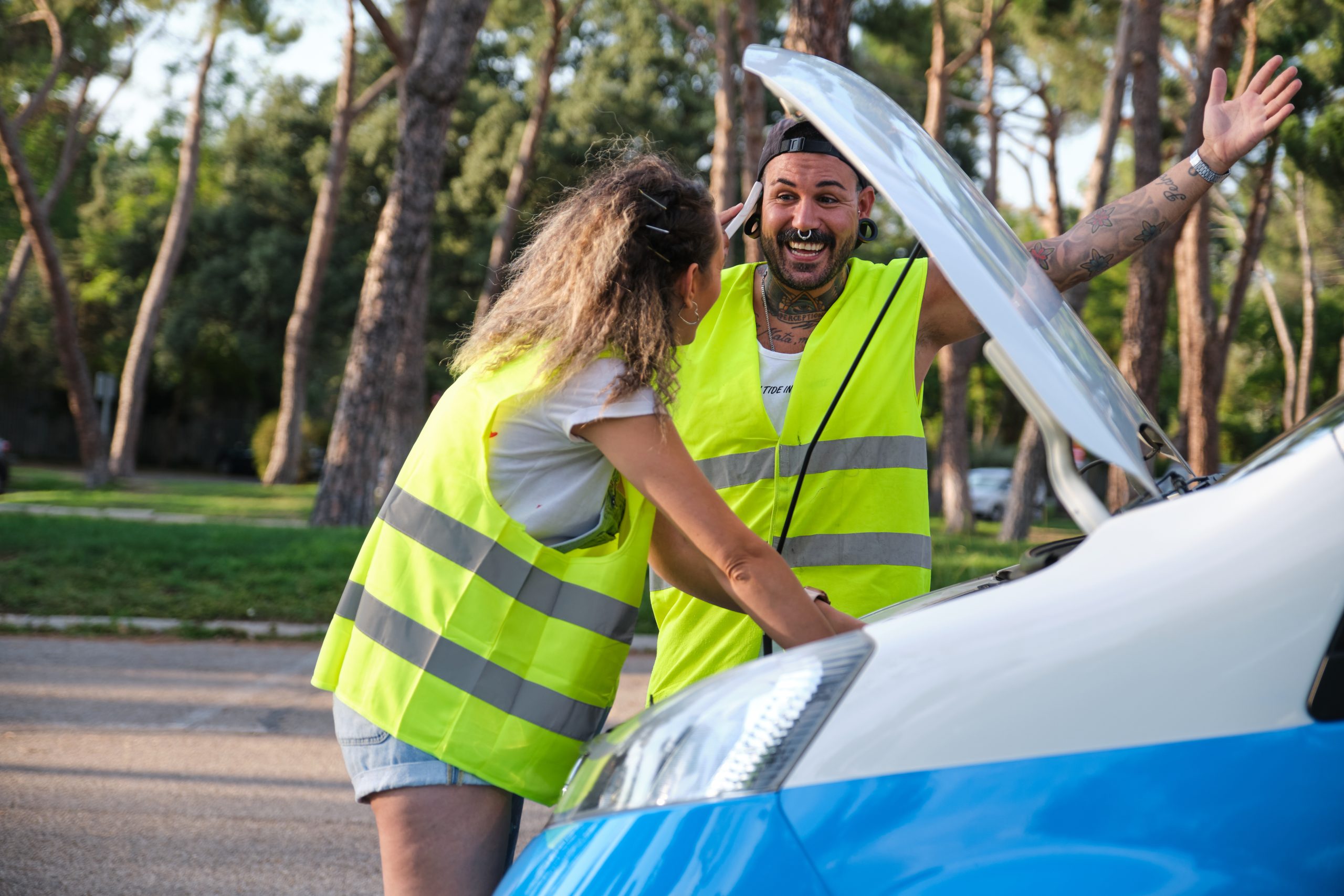
In Dublin, the rules and regulations regarding clamping or towing a car are strictly enforced to ensure smooth traffic flow and parking availability. It is essential for drivers to familiarize themselves with the relevant laws and procedures to avoid any inconvenience or penalties. Here is your essential guide to understanding the process of clamping or towing a car in Dublin:
What are the laws and regulations for clamping or towing a car in Dublin?
In Dublin, clamping or towing a car is regulated by the Vehicle Clamping Act 2015. This law stipulates that clamping or towing can only occur on private property with clear signage. The clamping or towing company must also be licensed by the National Transport Authority in Ireland.
Key Highlights
Key Highlights
- A total of 37,149 vehicles were clamped for illegal parking in Dublin in 2021, marking a 59% increase from the previous year. Clarendon Street in the city center remained the worst blackspot for clamping offenses.
- The most common reason for clamping was the failure to pay for using a parking bay, accounting for 44% of all clamping offenses. Other common offenses included parking or stopping in a clearway and parking in a bus lane.
- Thursday was the most likely day for vehicles to be clamped, with an average of 6,432 vehicles immobilized on Thursdays compared to 2,394 on Sundays.
- November was the busiest month for clampers, with 3,750 vehicles clamped. In contrast, January had the lowest level of clamping activity due to the reintroduction of lockdown measures.
- Drivers who park illegally must pay an €80 release fee to have the clamp removed. If the illegally parked vehicle is not removed within 24 hours, it will be towed away and impounded, with owners required to pay a release fee of €160 plus a daily storage charge of €35.
- To avoid clamping or towing, it is important to park legally, keep an eye on the time, and avoid parking in disabled or restricted areas. Additionally, being aware of clamping hotspots and following legal parking guidelines can help prevent unnecessary expenses and inconvenience.
Introduction
Dublin, the vibrant capital city of Ireland, is known for its rich history, bustling streets, and lively atmosphere. However, along with its many attractions and amenities, Dublin is also notorious for its strict parking enforcement measures. Vehicle clamping, or the immobilization of vehicles for illegal parking, is a common occurrence in Dublin, causing frustration and financial burdens for motorists. In this blog, we will explore the ins and outs of vehicle clamping in Dublin, including the reasons why vehicles get clamped, the key locations where clamping occurs, and practical tips to avoid falling victim to clamping. Whether you are a local resident or a visitor to Dublin, understanding the rules and regulations surrounding vehicle clamping can help you navigate the city’s parking landscape with ease and avoid unnecessary expenses. So, let’s dive into the world of vehicle clamping in Dublin and discover how to stay on the right side of the law.
Understanding Vehicle Clamping in Dublin
Vehicle clamping is a method of enforcing parking regulations employed by the Dublin City Council to deter illegal parking in the city. When a vehicle is clamped, a device called a clamp is securely attached to one of the wheels, rendering the vehicle immobile. The Dublin City Council, through its Dublin Street Parking Services (DSPS), manages and oversees the clamping activity in the city. The council gathers data and conducts analytics to identify areas with high clamping rates and patterns of illegal parking. This information enables the council to strategically enforce parking regulations and maintain order on the city’s streets.
The Basics of Car Clamping
Car clamping is a process designed to enforce parking regulations and discourage motorists from illegally parking their vehicles. When a vehicle is clamped, a device known as a clamp is attached to one of its wheels, preventing it from being driven away. The clamp can only be removed by a designated authority, usually the Dublin City Council’s clamp release team. To have the clamp removed, the vehicle owner must pay a release fee, usually around €80. The release fee covers the cost of the clamping operation and serves as a deterrent against future parking offenses. The vehicle owner will also be required to provide their vehicle registration information to ensure that the release fee is paid by the rightful owner. Once the release fee is paid, the clamp is removed, allowing the vehicle to be driven again. www.asaptow.ie
Why Vehicles Get Clamped or Towed in Dublin
Vehicles in Dublin can get clamped or towed for a variety of reasons. The most common offense that leads to clamping is the failure to pay for using a parking bay. This includes overstaying the allocated time limit or not paying the parking fee. Other common offenses include parking or stopping in a clearway, which is a section of road where stopping or parking is strictly prohibited. Dublin City Council clampers are responsible for enforcing these regulations and ensuring that motorists comply with the parking rules. It is important for motorists to be aware of the parking regulations in Dublin and to adhere to them to avoid the inconvenience and cost of being clamped or towed.
Key Takeaways on Vehicle Clamping and Towing
In summary, vehicle clamping is an enforcement measure used by Dublin City Council to deter illegal parking. Clamping involves the attachment of a clamp to a vehicle’s wheel, rendering it immobile until the release fee is paid. Common offenses that lead to clamping include failure to pay for using a parking bay and parking or stopping in a clearway. To avoid clamping or towing, it is crucial to follow the parking rules, be aware of clamping hotspots, and park in designated areas. By respecting the parking regulations, motorists can prevent the inconvenience, expense, and potential damage caused by clamping and towing. www.asaptow.ie
What is Known About Clamping in Dublin
Dublin Street Parking Services (DSPS) is the department of Dublin City Council responsible for managing and overseeing clamping activities in the city. DSPS works closely with the Garda Síochána, the national police force of Ireland, to enforce parking regulations and ensure compliance. Together, they monitor parking areas, detect illegal parking, and take appropriate enforcement actions, such as clamping or towing vehicles. The collaboration between DSPS and the Garda Síochána is essential in maintaining order on the city’s streets and ensuring the smooth flow of traffic. By working together, these organizations aim to create a safe and efficient parking environment for residents and visitors alike. www.asaptow.ie
Uncovering the Unknowns: Gaps in Public Knowledge
While the basics of vehicle clamping in Dublin are relatively well-known, there are still some gaps in public knowledge regarding the process. For example, some motorists may be unaware of the specific regulations governing clamping and towing, leading to confusion and frustration. Additionally, there may be questions surrounding the collection and use of personal information during the clamping process. It is important for individuals to understand their rights and privacy protections when it comes to clamping and towing. By familiarizing themselves with the necessary information and staying informed about changes in regulations, motorists can navigate the world of vehicle clamping in Dublin with confidence. www.asaptow.ie
Avoiding Clamping and Towing in Dublin: Practical Tips
To avoid the inconvenience and expense of clamping or towing in Dublin, it is essential to follow a few practical tips. First, always ensure that you have paid for parking and that you are aware of the maximum time limit. Check for any signage or restrictions in the area where you park, such as clearways or disabled parking spaces. Be mindful of on-street parking regulations and the availability of parking spaces. It is also helpful to familiarize yourself with the guidelines provided by the National Transport Authority (NTA) to ensure responsible parking practices and compliance with the rules. www.asaptow.ie
Identifying Clamping Hotspots: Where to Be Extra Careful
When it comes to vehicle clamping in Dublin, there are certain areas that are known to have a higher incidence of clamping. These locations, known as clamping hotspots, require extra caution to avoid falling victim to a clamp. Here are a few examples of clamping hotspots in Dublin:
- Gardiner Street Lower: This area has seen a significant increase in clamping activity in recent years.
- Waterloo Road: Another hotspot known for frequent clamping incidents.
- Mespil Road: A location that has consistently been among the top blackspots for clamping in Dublin.
By being aware of these hotspots and taking extra care when parking in these areas, motorists can reduce the risk of being clamped and minimize the potential financial burden and inconvenience. www.asaptow.ie
Legal and Safe Parking Guidelines
To ensure legal and safe parking in Dublin, it is crucial to understand and follow the guidelines set by local authorities. This includes paying attention to signage indicating parking restrictions or time limits. It is important to park only in designated areas and to avoid parking in spots reserved for specific purposes, such as disabled parking spaces or loading zones. Ignoring these guidelines and parking illegally can result in clamping or towing, as well as fines or penalties. By respecting the parking regulations and being considerate of other road users, motorists can contribute to a safer and more organized parking environment in Dublin. www.asaptow.ie
www.asaptow.ie: Your Go-To Solution for Towing Services
When it comes to towing services in Dublin, www.asaptow.ie is the go-to solution for motorists in need of assistance. As a reputable private company, www.asaptow.ie offers professional towing services compliant with the Vehicle Clamping Act. Whether you find yourself in an emergency situation or need assistance with removing a clamped or immobilized vehicle, www.asaptow.ie provides reliable and efficient towing services. With a team of experienced professionals and state-of-the-art equipment, www.asaptow.ie ensures that your vehicle is handled with care and transported safely to its destination.
Services Offered by www.asaptow.ie
www.asaptow.ie offers a range of services to meet the towing needs of motorists in Dublin. These services include:
- Towing for clamped or immobilized vehicles: www.asaptow.ie provides prompt and efficient towing services for vehicles that have been clamped or immobilized due to parking offenses. Their experienced team ensures the safe removal of the clamp and the secure transportation of the vehicle.
- Clamp release assistance: If your vehicle has been clamped and you need assistance with the release process, www.asaptow.ie can provide professional help. Their team is well-versed in the procedures involved in releasing clamps and can guide you through the necessary steps.
- Vehicle registration verification: To ensure the proper release of a clamped vehicle, www.asaptow.ie verifies the vehicle registration information provided by the owner. This verification process helps prevent unauthorized release and ensures that the vehicle is returned to the rightful owner.
With their comprehensive range of services, www.asaptow.ie is a reliable partner for motorists in need of towing assistance in Dublin.
Why www.asaptow.ie Stands Out in Dublin
www.asaptow.ie stands out in Dublin for its exceptional service quality and commitment to customer satisfaction. Their team of towing professionals is highly skilled and experienced, ensuring that each towing operation is carried out efficiently and safely. They prioritize the needs and concerns of their customers, providing clear communication and prompt assistance. www.asaptow.ie understands the stress and inconvenience that can come with clamping or immobilization, and they strive to minimize the impact on their customers. Their dedication to service excellence has earned them a strong reputation in the Dublin community. Whether you require towing services or clamp release assistance, www.asaptow.ie is dedicated to providing reliable and efficient solutions tailored to your needs. www.asaptow.ie
Conclusion
In conclusion, understanding vehicle clamping in Dublin is crucial to avoid unnecessary inconveniences and costs. By grasping the basics of car clamping and towing, recognizing clamping hotspots, and adhering to legal parking guidelines, you can steer clear of such situations. To ensure a smooth experience, consider reaching out to www.asaptow.ie for reliable towing services that stand out in Dublin. Remember, knowledge is key to avoiding clamping issues and safeguarding your vehicle. Stay informed and prepared to prevent any unwelcome surprises. www.asaptow.ie
Frequently Asked Questions
What to Do If Your Vehicle Gets Clamped?
If your vehicle gets clamped in Dublin, the first step is to remain calm. Contact the designated clamp release authority, such as the Dublin City Council, to inquire about the release process. You will be required to pay a release fee, usually around €80, and provide the necessary documentation, such as proof of ownership and payment. Once the fee is paid, the clamp will be removed, and you will receive a receipt. If you have any queries or concerns, it is advisable to address them politely and calmly, as screaming or causing a scene is unlikely to yield positive results.
How Much Does It Cost to Get a Car Towed in Dublin?
The cost of getting a car towed in Dublin can vary depending on the specific circumstances. In addition to the release fee for removing a clamp, towing fees may apply. The Dublin City Council sets the towing fees, which can range from €160 to €200, depending on factors such as the distance traveled and storage duration. It is important to keep the receipt provided by the towing service for future reference and to ensure any necessary email correspondence is saved for documentation purposes.