Key takeaways
- Explain what happened and what the vehicle can safely do.
- The fault, location and conditions determine roadside help versus transport.
- Agree what is being arranged and its terms before work starts.
On this page
Roadside assistance
Roadside assistance refers to help at or near the vehicle. Whether a problem can be addressed there depends on the fault, equipment, vehicle and safety conditions. A provider should confirm what work can be offered before you agree.
Breakdown recovery
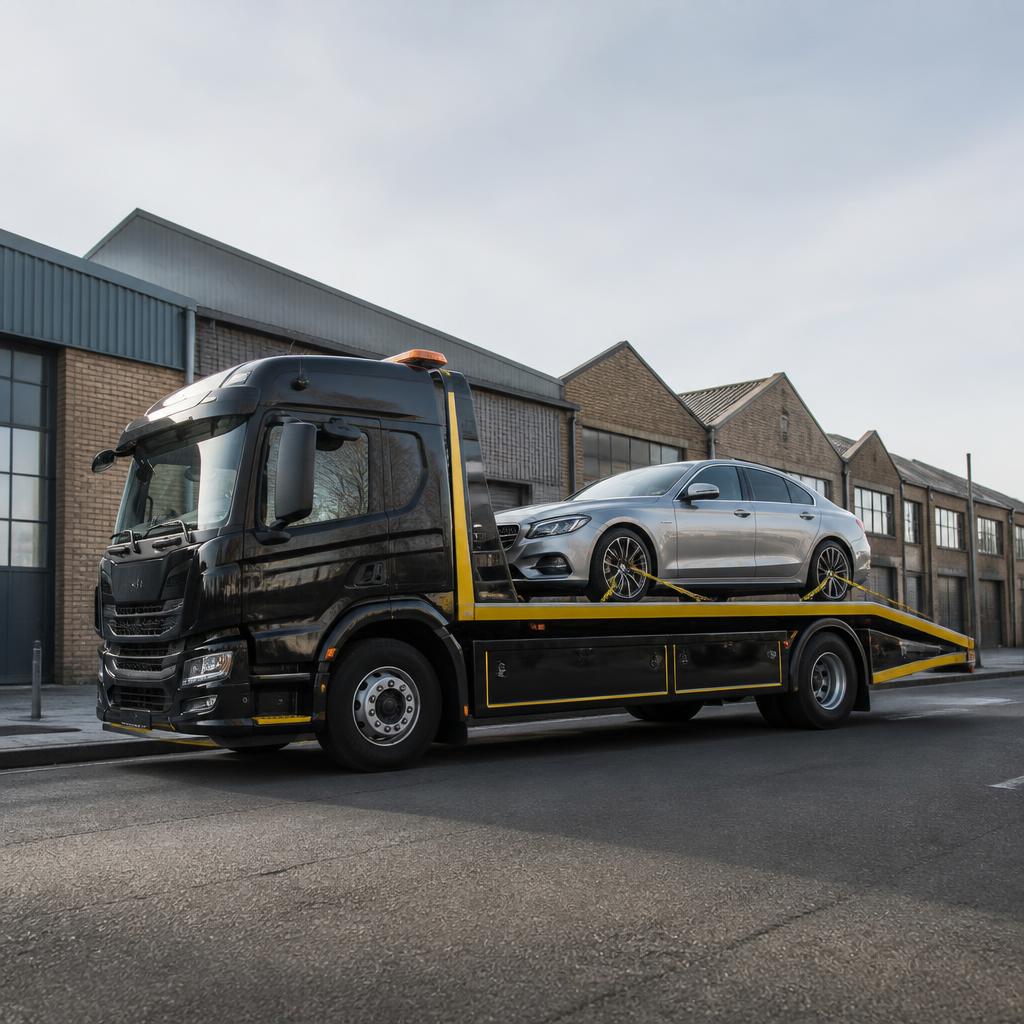
Recovery generally means moving a vehicle that cannot or should not continue driving. The arrangement may involve loading and transport to a destination you agree. Access, vehicle condition and destination can affect the plan.
How to decide what to ask for
Share what happened, your exact location, vehicle make and model, whether it starts and whether it can roll or steer. Mention hazards, access limits and your preferred destination. The provider can discuss an appropriate option and its cost directly.
At a glance
| Roadside assistance | Breakdown recovery |
|---|---|
| Help is assessed at or near the vehicle; suitability depends on fault, location and safety. | The vehicle is transported to a destination agreed with the provider. |
| Ask what can be assessed or done on site; a repair is not guaranteed. | Confirm loading, destination, access requirements and price or estimate before moving. |
| May not be safe or practical beside live traffic or in restricted access. | Vehicle condition and manufacturer towing instructions determine the handling method. |
If the vehicle cannot continue, compare your options for breakdown recovery.
Other options to discuss for this vehicle or situation.
Questions drivers ask
What is the practical difference?
Roadside assistance is help at or near the vehicle; recovery generally transports a vehicle that should not continue. The agreed service depends on the fault and conditions.
How do I know which to ask for?
Describe what happened, the vehicle symptoms, location, whether it rolls or steers and any safety concerns. You do not need to diagnose the fault first.
Can roadside work always fix a breakdown?
No. Some faults, locations or vehicles are not suitable for roadside work. Ask what can be offered before agreeing.
What if the vehicle is unsafe to drive?
Do not continue driving it. Prioritise safety and discuss transport with a provider after following any official directions.
Should I agree the destination and cost first?
Yes. Confirm the proposed service, pickup, destination, price and conditions before the vehicle is moved.
Reviewed by ASAPTOW.ie / Dublin towing & vehicle recovery team